
AI vs Human English Tutors: What’s the Right Choice for Students in 2026?
The rise of AI-based learning tools has changed how people practise English. From pronunciation checkers to instant grammar feedback, the technology is fast, accessible, and often impressive. At the same time, human-led English classes—whether for kids preparing for school or adults preparing for careers—continue to hold their ground.
If you are choosing between the two in 2026, the answer isn’t as simple as picking the most “advanced” tool. It comes down to what actually helps a learner communicate clearly, confidently, and naturally.
Below is a balanced, research-informed comparison that leans on widely observed industry trends, not hype.
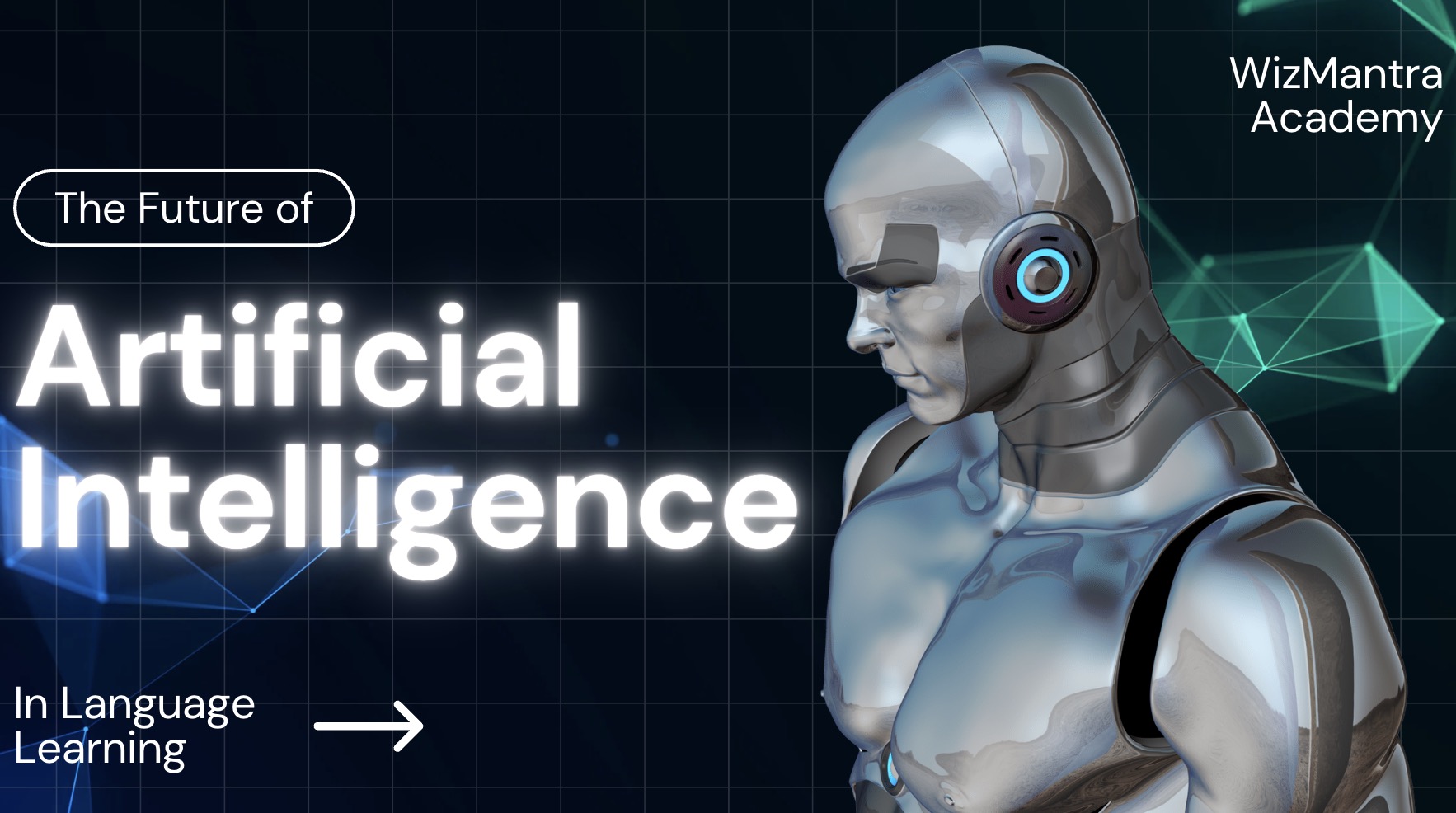 1. Personalisation: AI adapts fast, but humans adapt deeper
AI tutors can adjust difficulty levels instantly. They analyse response patterns, track errors, and offer personalised exercises in seconds. This is extremely useful for grammar, vocabulary, and repetition-heavy learning.
But personalisation in language learning is not only about patterns.
Humans bring a different kind of adaptability:
▹ They sense hesitation even when the words look correct.
▹ They adjust tone and pace based on emotional cues.
▹ They simplify or expand explanations depending on the learner’s background.
▹ They identify why a student is stuck, not just where they made a mistake.
For kids, especially, emotional understanding from a human tutor is often essential.
For adults, contextual adaptability—industry-specific vocabulary, interview framing, cultural nuance—comes more naturally from a trained instructor.
2. Real communication skills: AI improves pieces; humans improve performance
AI systems are excellent at micro-corrections:
▹ fixing grammar
▹ detecting mispronunciation
▹ providing example sentences
But communication requires much more than accuracy. It requires rhythm, tone, real-time negotiation, clarity under pressure, and the ability to adjust based on how the other person responds.
These skills develop faster with a human tutor because:
▹ there is back-and-forth conversation
▹ learners practise real situations (presentations, group discussions, interviews)
▹ feedback is immediate and context-aware
▹mistakes are corrected in a natural flow, not through strict rules
This is especially important for adults preparing for jobs, immigration interviews, client communication or workplace collaboration.
3. Motivation & consistency: technology supports; humans sustain
AI tools are great at nudging learners to practise daily. Many apps use reminders, streaks and gamification to keep users engaged.
But long-term consistency often depends on human accountability.
A tutor naturally maintains:
▹ structured progress
▹ a sense of responsibility
▹ encouragement during plateaus
▹ realistic goal-setting
▹ clarity on whether a learner is actually improving
For kids, parents report better continuity and discipline when a real person is involved.
For adults, a tutor becomes a mentor figure who ensures the learning doesn’t fade after the first few weeks.
4. Understanding cultural and social nuance
English is not only a technical language—it’s cultural. Tone, politeness, expressions, body language and conversation logic vary from place to place.
AI can teach meaning.
A human can teach how people actually speak.
Examples of nuance humans explain better:
▹ When to say “I understand” vs “I see what you mean.”
▹ How to sound confident without sounding rude.
▹ How pause, emphasis and intonation change meaning.
▹ How to participate in group discussions naturally.
This type of learning is critical for students studying abroad and adults working in global environments.
5. Convenience and cost: AI wins on access, humans win on impact
AI tools are:
▹ affordable
▹ available 24/7
▹ great for self-paced practice
▹ ideal for introverts who want a low-pressure start
Human tutors require scheduling and come at higher cost.
But they usually deliver faster, more meaningful results in speaking fluency, confidence and real-world communication.
Most learners today combine the two:
AI for drills and practice, human tutors for performance and fluency.
6. What works best for kids?
For children, especially early learners, human tutors tend to be more effective because:
▹ Kids respond to voice, expression and interaction.
▹ They need guided correction, not just automated scoring.
▹ Learning happens through play, storytelling and real conversations.
▹ Emotional connection builds confidence.
AI can be a strong supplement, but rarely the primary driver of language development for young learners.
7. What works best for adults?
Adults benefit from both, but the deciding factor is application.
If the goal is:
▹ practising for interviews
▹ improving workplace communication
▹ preparing for abroad opportunities
▹ sounding confident and natural in conversations
…human-guided classes generally outperform AI-only study.
AI retains value for revision, vocabulary building and quick corrections—but it cannot fully replicate real conversational training.
Final Verdict for 2026: Choose based on your goal, but don’t underestimate the human edge
Both AI and human tutors have clear strengths:
▹ AI: speed, accessibility, repetition, privacy, cost-effectiveness
▹ Human tutors: nuance, confidence-building, emotional intelligence, real conversation practice, cultural understanding
AI is excellent for practice.
Humans are essential for performance.
If the goal is to genuinely speak better, not just score better in the app, human-led classes—supported by smart AI tools—remain the most reliable path for both kids and adults.
Topics Liked Most:
 Importance of English in your Career
 IELTS Exam-Skills required to improve your score
 Are You a Non-Native? Learn English the Easy Way
 Preparing for IELTS Writing Task 1: A Comprehensive Guide
 Mastering English Idioms: Your Guide to Understanding and Using Idiomatic Expressions
 Business French: Communicate Like a Pro in 2025
Leave a comment